Blog

Rewiring the Workforce: Executive Solutions to the Energy Talent Crisis

The energy industry is experiencing a notable resurgence, but for many executives, talent remains a significant challenge. In the oil and gas, renewable, utilities, and nuclear sectors, leaders face a range of workforce issues. An aging workforce, a widening skills gap, increasing competition, changing generational expectations, and rising demands for diversity and flexibility are reshaping how companies attract and keep top talent.

Read More

From Cost Center to Value Driver: Rethinking Human Capital ROI

At the recent AESC Global Summit on Leadership, Dr. Solange Charas, Professor of Professional Practice at Columbia University made a compelling case for something most executives intuitively believe—but few can quantify: human capital is not just a cost, it is a core driver of enterprise value. And now it can be measured.

Read More

Navigating the AI Frontier: The Strategic Role of the CAIO

In 2025, the explosion of AI adoption across industries will give rise to a new executive role: Chief AI Officer (CAIO). As organizations continue to embrace and experiment with AI to drive business strategies and operations, the CAIO role is predicted by many to become essential to ensuring alignment, compliance, and adherence to ethical standards across organizations.

Read More

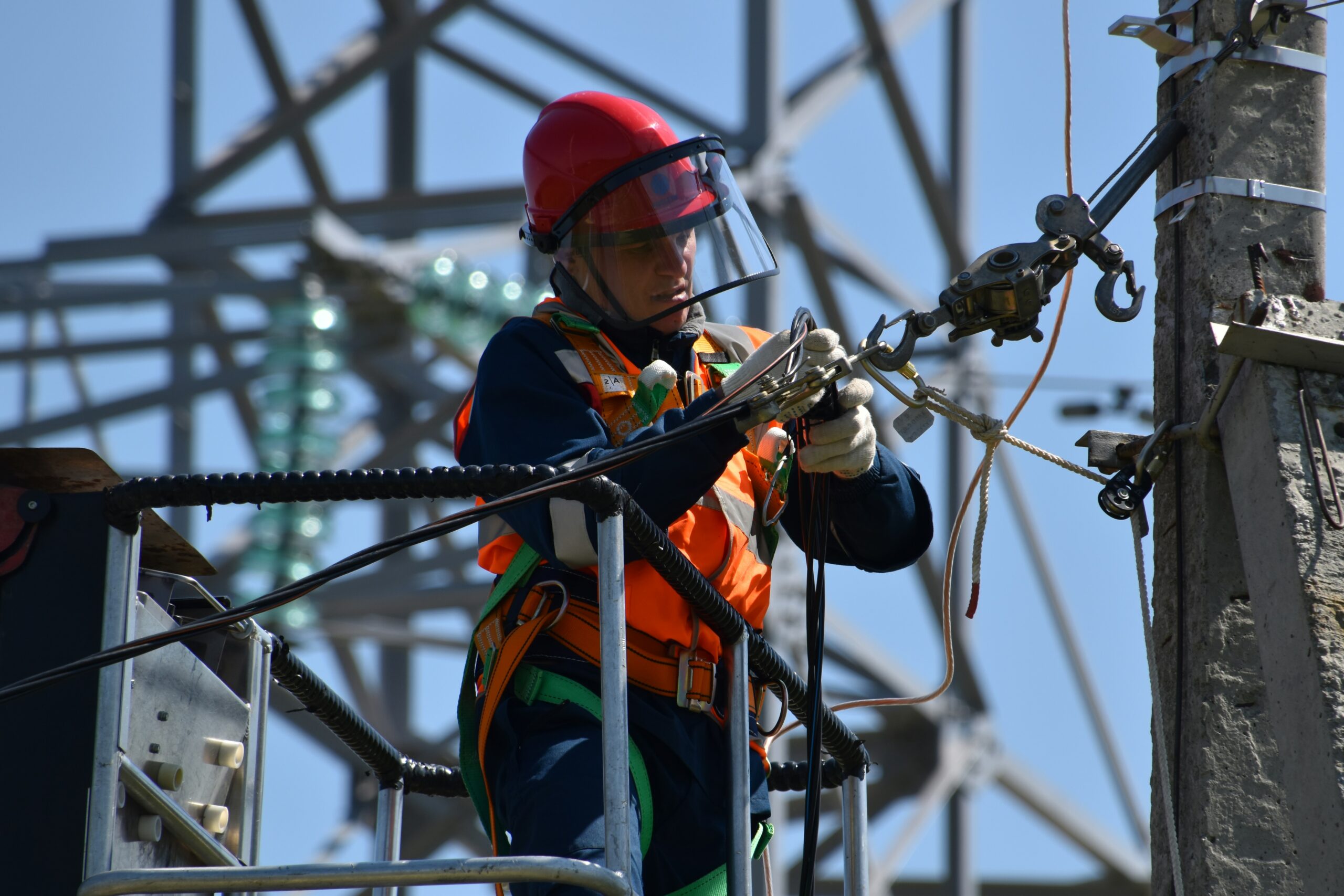
Plugging the Talent Gap: Solving the Electrician Shortage Crisis

After two decades of steady but modest growth, electricity consumption in the U.S. is projected to surge by 50% by 2050. This dramatic rise is fueled by the rapid expansion of AI applications and cloud computing and the growing reliance on electric-powered systems to replace manual and fossil-fuel-based operations. To meet this increased demand, the nation’s electrical grid must be significantly upgraded and expanded, requiring a strong, skilled workforce.

Read More

Embracing the Private Equity Mindset After Public Company Leadership

Public company C-suite executives can find it challenging to identify their next executive role because the market size limits the number of available positions at public companies at that level. As of 2025, there are 4,300 publicly listed companies in the U.S., indicating fierce competition for top positions. Additionally, the average age of a sitting CEO is 59. Executives in this demographic may potentially face age bias, as the executive leadership team and board might harbor concerns that the candidate will plan to retire in the next five to ten years, leading to what they might consider a premature search for a successor and a limited ROI on their original investment in the candidate.

Read More

Human Capital Solutions’ Investment in Search Industry Excellence

The executive leadership team at Human Capital Solutions believes in the power of investing in professional affiliation, education, and networking opportunities that inform staff and create measurable ROI for our clients. We aspire to continuously elevate our collective knowledge to bring our clients the most relevant, timely, and impactful strategies for managing executive talent searches.

Read More

How to Keep Your Water Industry Talent Pipeline Flowing

Numerous factors are impacting the trajectory of the water industry, including population growth and urbanization, climate change and water scarcity, stricter environmental regulations, aging water infrastructure, technological innovations, industrial and agricultural demand, sustainability initiatives, and public and private infrastructure investments. This growth will drive the need for a more strategic and long-term approach to sourcing talent to remain competitive.

Read More

Water-as-a-Service®: How PE is Disrupting the Water Sector & Contributing to Job Growth

The global private equity sector has grown thirteenfold since 2000, and one area where we have seen increasing investments is in infrastructure sectors, including water. PE is an industry disruptor amidst growing challenges, including increased demand, aging infrastructure, and the call for more sustainable solutions. They are changing the water landscape by buying and privatizing municipal and regional water utilities. A new subscription model for water management, called Water-as-a-Service (WaaS), has emerged, where businesses and municipalities pay for water services rather than owning the infrastructure.

Read More